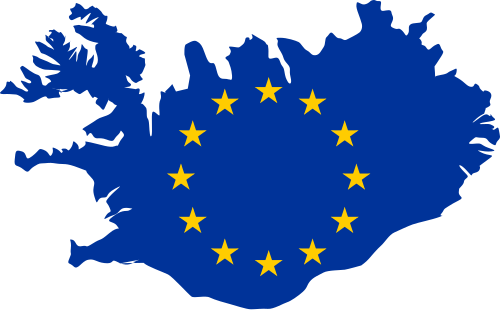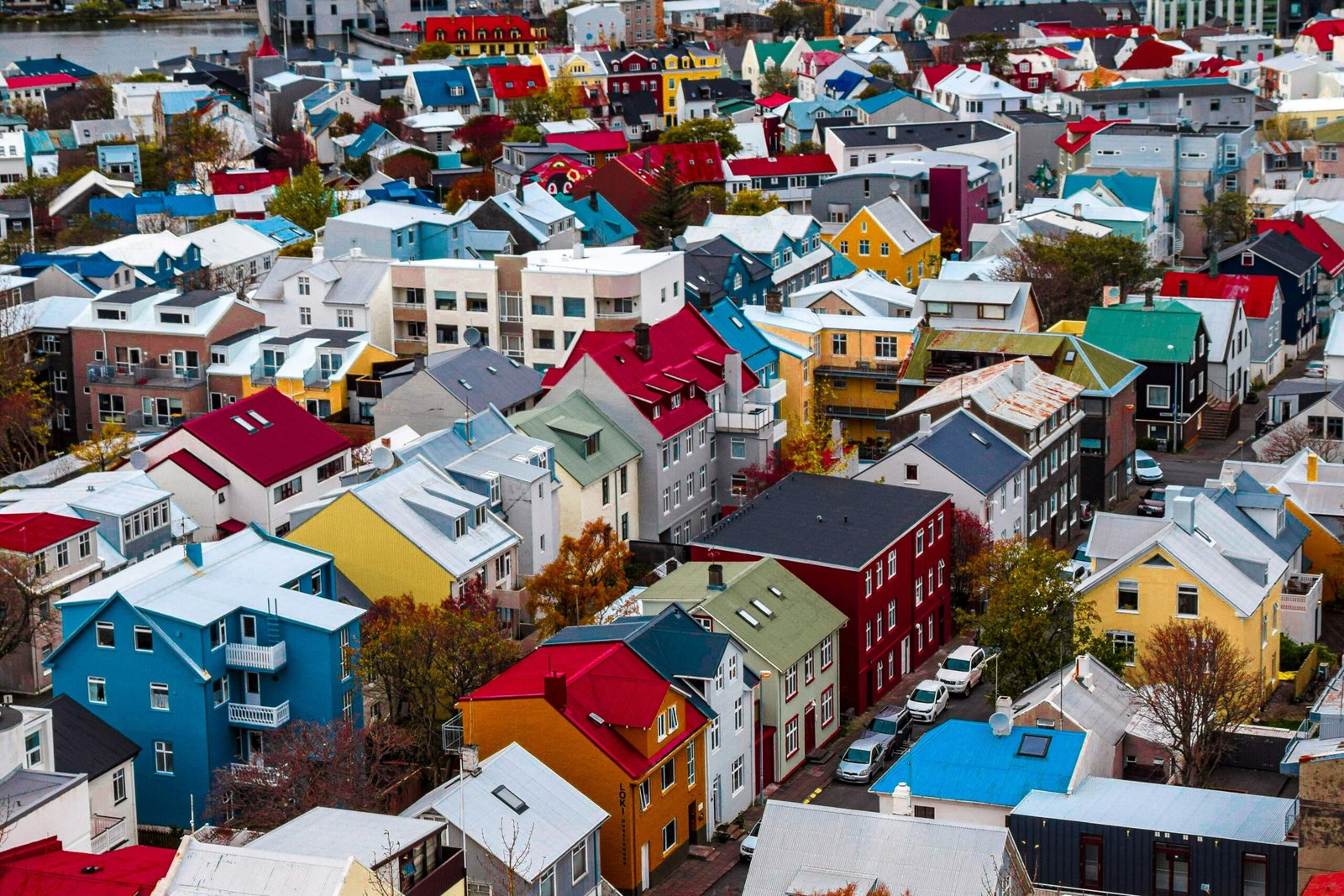
What Newcomers Need to Know Before You Relocate
Last updated: July 2026
Last fact checked: 24 July 2026
For many people, the dream of moving to Iceland begins with a holiday.
You experience the dramatic landscapes, clean air, slower pace of life and strong sense of community, and it’s easy to imagine building a life here. Then reality sets in, and one question almost always follows:
Can you move to Iceland without already having a job?
The answer is yes – but it depends almost entirely on your nationality.
If you’re a citizen of an EU, EEA or EFTA country, you can generally move to Iceland without securing employment before you arrive. Freedom of movement allows you to relocate, look for work after arrival and complete the necessary registrations once you decide to settle.
If you’re from outside the EEA—including the United States, Canada, the United Kingdom, Australia or New Zealand—the rules are very different. In most cases, you cannot relocate to Iceland simply to look for work. You’ll normally need an approved residence permit before establishing long-term residence, whether that’s through employment, study, family reunification or another recognised immigration pathway.
Many websites oversimplify this distinction or rely on outdated information. Iceland’s immigration framework changed during 2026, making it more important than ever to rely on current official guidance.
This guide explains who can move without a job, which legal pathways are available if you can’t, and the practical realities of relocating to Iceland.
In Brief
Can you move to Iceland without a job?
Yes—but the answer depends on your passport.
- EU, EEA and EFTA citizens can generally move to Iceland without first securing employment and may look for work after arrival.
- Most non-EEA nationals must obtain an approved residence permit before relocating. This is commonly based on employment, study, family reunification or another recognised legal category.
- Visiting Iceland as a tourist does not give you the right to live or work in the country.
- Immigration procedures changed during 2026, so always check the latest guidance before making travel or relocation plans.
- For the most up-to-date information, consult Iceland’s Directorate of Immigration before submitting an application or committing financially.
| Your Citizenship | Can You Move Without a Job? | Residence Permit Required? |
|---|---|---|
| EU / EEA / EFTA | ✅ Generally yes | Registration after arrival |
| United States | ❌ Usually no | ✅ Yes |
| United Kingdom | ❌ Usually no | ✅ Yes |
| Canada | ❌ Usually no | ✅ Yes |
| Australia | ❌ Usually no | ✅ Yes |
| New Zealand | ❌ Usually no | ✅ Yes |
Who This Guide Is For
This guide is written for anyone considering a long-term move to Iceland.
Although it explains the relatively straightforward process available to citizens of the EU, EEA and EFTA, it is primarily intended for readers from outside the EEA who need to understand which legal pathways are available before relocating.
Whether you’re still researching, planning a move in the next few months or comparing Iceland with other destinations, this guide is designed to help you make informed decisions based on current immigration rules rather than outdated advice or online myths.
The Short Answer
Whether you can move to Iceland without a job depends primarily on your citizenship, not your profession or financial situation.
For some people, relocating first and finding work later is perfectly legal.
For others, doing so could mean they have no legal basis to remain in Iceland beyond their permitted stay.
Understanding which category you fall into is the single most important step when planning your move.
The good news is that Iceland offers several lawful pathways to residence. The challenge is choosing the one that matches your circumstances before you book flights, sign a lease or resign from your current job.
If You’re an EU, EEA or EFTA Citizen
In most cases, yes—you can move to Iceland without having a job first.
Citizens of the European Union (EU), European Economic Area (EEA) and European Free Trade Association (EFTA) benefit from freedom of movement, which allows them to live and work in Iceland without obtaining a work permit before arrival.
This means you can:
- Move to Iceland before finding employment.
- Search for work after you arrive.
- Accept employment without applying for a separate work permit.
- Register with the relevant Icelandic authorities if you decide to settle long term.
Although immigration is relatively straightforward for European citizens, moving without preparation is rarely easy.
Why People Want to Move to Iceland Without a Job
Not everyone plans an international move around a job offer.
For many people, the decision to relocate begins with a desire for a different lifestyle rather than a new career.
Some have fallen in love with Iceland after visiting. Others are looking for a safer environment to raise a family, a better work–life balance, or the opportunity to experience living in one of the world’s most unique countries.
Common reasons people want to move before finding employment include:
- Taking time to settle before beginning a job search.
- Joining a partner or family member already living in Iceland.
- Studying at an Icelandic university.
- Working remotely for an overseas employer.
- Taking a career break while exploring long-term options.
- Experiencing Icelandic life before making a permanent commitment.
These are all understandable reasons to relocate.
The important question isn’t whether your reason is valid—it’s whether Icelandic immigration law provides a legal pathway that allows you to live in the country under those circumstances.
For non-EEA citizens, your residence permit determines what you are legally allowed to do in Iceland. Choosing the wrong pathway—or assuming one exists when it doesn’t—can result in refused applications, unnecessary costs and significant delays.
Planning your move around the correct immigration category from the beginning is almost always easier than trying to resolve problems after you arrive.
Legal Ways to Move to Iceland Without a Job Offer
If you don’t already have employment arranged, that doesn’t necessarily mean your plans have to end.
Depending on your circumstances, several lawful routes may allow you to relocate to Iceland.
1. Studying in Iceland
For many non-EEA citizens, studying is one of the most realistic ways to establish residence in Iceland.
To qualify, you’ll normally need:
- acceptance from a recognised Icelandic educational institution;
- evidence that you can financially support yourself during your studies;
- suitable health insurance where required; and
- accommodation arrangements for your stay.
As of 29 June 2026, an important change came into effect for international students.
Students holding an Icelandic residence permit no longer need a separate work permit to take employment. They may work up to 60% of full-time hours during term time and full-time during official academic holidays, although self-employment is not permitted under this arrangement.
This change makes studying in Iceland a more practical option for many international students, but it should not be viewed as a shortcut to employment-based immigration. Student residence permits are intended primarily for education.
2. Family Reunification
If your spouse, registered partner or certain qualifying family members already have the legal right to live in Iceland, you may be eligible to apply for residence through family reunification.
Requirements vary depending on the immigration status of your family member and your relationship to them.
Applications are assessed individually, and supporting documentation is required to demonstrate eligibility.
For many people, this provides a more straightforward pathway than attempting to qualify through employment alone.
3. Employment-Based Residence
For most non-EEA nationals, employment remains the most common route to long-term residence.
Rather than moving first and looking for work later, you’ll generally need to:
- Secure an offer of employment from an Icelandic employer.
- Apply for the appropriate residence permit.
- Receive approval before relocating permanently.
Since 8 July 2026, responsibility for processing employment-based residence permits has been transferred to Iceland’s Directorate of Immigration, streamlining parts of the application process.
The exact requirements depend on the type of employment, your qualifications and the residence category being applied for.
4. Other Residence Categories
Depending on your circumstances, Iceland also provides a small number of specialised residence categories.
These may include permits for researchers, specialists, religious workers, volunteers and certain humanitarian situations.
Because these categories are highly specific and subject to individual eligibility requirements, they are generally relevant only to a small proportion of applicants.
If you believe one may apply to you, it’s worth reviewing the latest guidance from the Directorate of Immigration before making plans.
The key point is simple:
If you don’t already have a job offer, don’t assume your only option is to abandon your plans.
Instead, determine whether one of Iceland’s recognised residence pathways matches your personal circumstances before committing to your move.
How Much Money Do You Need to Move to Iceland?
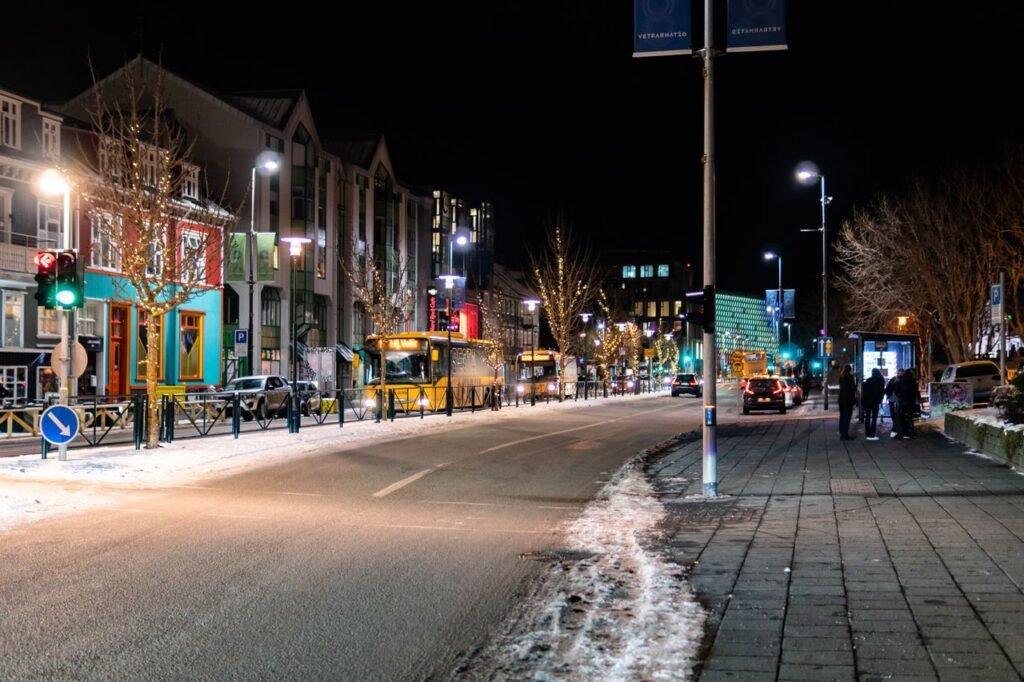
Photo: Reykjavik city at night on Pexels
One of the biggest mistakes prospective newcomers make is assuming that immigration approval is the hardest part of moving to Iceland.
In reality, financial preparation is often the greater challenge.
Iceland consistently ranks among the most expensive countries in Europe. Housing, groceries, utilities, transport and everyday services all cost significantly more than many newcomers expect. Even if you’re legally entitled to move without a job, you’ll still need enough savings to support yourself while you settle.
If you’re arriving without employment already arranged, your savings effectively become your safety net.
The Reality of Iceland’s Cost of Living
Your monthly expenses will depend on where you live and your lifestyle, but accommodation is usually the largest expense.
Rental demand remains high, particularly in the Reykjavík Capital Region, where competition for long-term housing can be intense. Many landlords request references, deposits and several months’ financial stability before signing a tenancy agreement.
On top of rent, you’ll need to budget for:
- groceries;
- electricity and heating (where not included);
- internet and mobile services;
- public transport or vehicle costs;
- insurance;
- household essentials; and
- unexpected expenses during your first few months.
Even people who find work relatively quickly often discover that their first pay cheque arrives weeks after they begin employment. Having sufficient savings helps bridge that gap and reduces unnecessary stress during your transition.
Immigration Financial Requirements
Many Icelandic residence permits require applicants to demonstrate that they have adequate financial means to support themselves.
These amounts are minimum legal requirements, not realistic relocation budgets.
As of 18 May 2026, the Directorate of Immigration increased the required means-of-support reference amounts for many residence permit applications.
Because these figures are reviewed periodically, it’s better to confirm the latest requirements directly with the Directorate of Immigration before applying rather than relying on figures quoted in blogs or social media.
If your application requires proof of financial support, always use the current official amounts published at the time you submit your documents.
How Much Should You Personally Save?
There isn’t a single answer because everyone’s circumstances are different.
However, if you’re relocating without employment already arranged, you should aim to have enough savings to comfortably cover several months of living expenses.
Your budget should realistically include:
- travel to Iceland;
- temporary accommodation if long-term housing isn’t immediately available;
- rental deposits;
- furniture or household purchases if renting an unfurnished property;
- daily living costs;
- administrative expenses;
- emergency funds.
Arriving with only enough money to survive for a few weeks places enormous pressure on finding immediate employment and greatly increases the risk of financial difficulties.
Moving internationally is rarely inexpensive.
Giving yourself financial breathing room allows you to focus on settling into your new life rather than worrying about every unexpected expense.
Common Mistakes to Avoid
Most relocation problems aren’t caused by complicated immigration rules.
They’re caused by assumptions.
Here are the mistakes we see people make most often.
Assuming Tourist Status Allows You to Relocate
Visiting Iceland and moving to Iceland are two completely different legal situations.
Being allowed to enter the country as a visitor does not automatically give you permission to work, establish residence or remain indefinitely.
Relying on Outdated Information
Immigration rules change.
Procedures, financial requirements and residence permit categories are updated regularly.
Advice published several years ago may no longer reflect current legislation or administrative practice.
Always verify important information using official Icelandic government sources before making decisions.
Underestimating Housing
Many newcomers assume they’ll find accommodation within a few days.
In reality, long-term rentals – particularly around Reykjavík – can take time to secure.
Research the housing market well before your planned arrival and budget for temporary accommodation if necessary.
Believing Remote Work Automatically Gives You Residence Rights
Working remotely for an overseas employer does not automatically provide the legal right to live in Iceland.
Your immigration status determines whether you can reside in the country—not the location of your employer or where your salary is paid.
Arriving Without Enough Savings
Even people who already have employment arranged should expect unexpected expenses during their first few months.
Those arriving without work need an even larger financial buffer.
Adequate savings provide flexibility, reduce stress and allow you to make better long-term decisions instead of reacting to immediate financial pressure.
Successful moves to Iceland are rarely built on optimism alone.
They’re built on careful planning, realistic expectations and understanding the rules before you arrive.
Iceland has one of Europe’s highest costs of living, and finding suitable accommodation—particularly in the Reykjavík Capital Region—can take time. Arriving with sufficient savings to cover several months of living expenses is strongly recommended, even if you’re confident of finding work quickly.
Once you’re established, you’ll normally need to complete the necessary administrative steps, including registering your residence where required, obtaining a kennitala (Icelandic national identification number), registering your address and ensuring you’re correctly enrolled for taxation and healthcare.
For most European citizens, these practical matters are a much bigger challenge than immigration itself.
If You’re From Outside the EEA

Photo: Atlantic Ambience on Pexels
For most people, the answer is no.
If you’re from countries such as the United States, Canada, the United Kingdom, Australia or New Zealand, you generally cannot relocate to Iceland simply to look for work after arriving.
Instead, you’ll normally need an approved residence permit before establishing long-term residence.
The most common legal pathways include:
- Employment with an Icelandic employer.
- Study at an approved Icelandic educational institution.
- Family reunification.
- Certain specialist residence categories provided under Icelandic immigration law.
Many people misunderstand the difference between visiting Iceland and moving to Iceland.
Citizens of many countries can enter the Schengen Area without a visa for up to 90 days within any 180-day period for tourism or business visits. However, this permission does not grant the right to work, establish residence or remain indefinitely.
You may attend job interviews, explore housing and learn more about the country during a lawful visit, but if you intend to live and work in Iceland, you must have the correct immigration status before doing so.
Attempting to use tourist status as a way of relocating often leads to disappointment, unexpected expense and unnecessary delays.
Why This Confuses So Many People
Much of the confusion comes from advice that fails to distinguish between European citizens and everyone else.
A statement such as “You can move to Iceland without a job” is technically true—but only for people whose citizenship gives them that right.
Likewise, advice stating that “You cannot move to Iceland without a job” is also incomplete because there are legitimate alternatives, including study, family reunification and other recognised residence categories.
The correct answer has always been:
It depends on your legal right to reside in Iceland – not simply whether you already have a job offer.
Frequently Asked Questions
Can Americans move to Iceland without a job?
Usually, no.
If you’re a U.S. citizen, you cannot normally move to Iceland simply to look for work after you arrive. In most cases, you’ll need an approved residence permit before relocating for the long term.
The most common pathways are employment, study, family reunification or another recognised residence category.
Although U.S. citizens can visit Iceland for up to 90 days within any 180-day period under the Schengen visa-waiver rules, tourist status does not provide the right to live or work in Iceland.
Can British citizens move to Iceland without a job?
Since the United Kingdom left the European Union, British citizens are generally treated as non-EEA nationals for Icelandic immigration purposes.
That means the same rules usually apply as they do for citizens of countries such as the United States, Canada and Australia.
If you intend to relocate permanently, you’ll normally need an approved residence permit before moving.
Can Canadians, Australians or New Zealanders move without a job?
The answer is broadly the same.
Citizens of these countries can generally visit Iceland as tourists under the Schengen rules, but long-term residence usually requires an approved residence permit before relocating.
If you’re planning to move permanently, it’s important to identify the correct immigration pathway before making travel arrangements.
Can I travel to Iceland first and look for work?
You may attend interviews, meet potential employers and explore opportunities while you’re lawfully visiting Iceland.
However, looking for work is not the same as having permission to live and work in Iceland.
If you’re a non-EEA national, accepting employment and establishing residence normally requires the appropriate immigration status.
Always ensure you understand your legal position before making commitments with an employer.
Can I move to Iceland if I work remotely?
Working remotely for an overseas company does not automatically give you the legal right to live in Iceland.
Your immigration status – not your employer’s location – determines whether you can legally reside in the country.
If you’re considering relocating while continuing to work for a foreign employer, you should carefully review the residence options currently available through Iceland’s Directorate of Immigration, as these rules have changed in recent years.
Is it difficult to move to Iceland?
That depends on your circumstances.
For citizens of EU, EEA and EFTA countries, immigration is generally straightforward.
For non-EEA nationals, the process can be more complex because residence is based on qualifying under a specific legal category.
Regardless of nationality, most newcomers find that practical challenges – finding housing, understanding the cost of living and adapting to life in Iceland – are often more demanding than the immigration process itself.
Final Thoughts
Moving to Iceland without a job is possible – but only for some people.
If you’re an EU, EEA or EFTA citizen, you can generally relocate first and look for work after arriving. Your biggest challenges are likely to be practical ones, such as finding accommodation, budgeting for Iceland’s high cost of living and settling into a new country.
If you’re from outside the EEA, you’ll usually need an approved residence permit before establishing long-term residence. While that may seem restrictive, there are several legitimate pathways available, including employment, study and family reunification.
The most successful relocations begin long before the flight to Keflavík Airport.
They begin with understanding the immigration rules, budgeting realistically and making decisions based on current, official information rather than outdated advice found elsewhere online.
Iceland offers an exceptional quality of life, remarkable natural beauty and a safe, welcoming society. For those who qualify to move, it can be an incredibly rewarding place to build a future.
The key is making sure you choose the right path from the very beginning.
Key Takeaways
- EU, EEA and EFTA citizens can generally move to Iceland without securing a job first.
- Most non-EEA nationals need an approved residence permit before relocating.
- Tourist status does not provide the right to live or work in Iceland.
- Employment, study and family reunification remain the most common legal pathways for non-EEA citizens.
- Financial preparation is just as important as meeting immigration requirements.
- Iceland’s immigration rules continue to evolve, so always verify the latest guidance with the Directorate of Immigration before making relocation plans.
Official Sources
This guide has been researched using official Icelandic government guidance. Immigration legislation and administrative procedures can change, so always confirm the latest requirements before submitting an application or making financial commitments.
- Directorate of Immigration (Útlendingastofnun) – Official guidance on residence permits, immigration rules and application procedures.
- Residence Permits in Iceland – Eligibility requirements, supporting documents and application guidance for all residence permit categories.
- Working in Iceland – Official information on employment, labour market access and work-related residence.
- Registers Iceland (Þjóðskrá) – Information about registering your residence, obtaining a kennitala, and population registration.
- Current Application Processing Times – Live estimates for residence permit processing published by the Directorate of Immigration.